All Categories
Featured


Increasing Brand Content With AI
: The circulation of your referring domains by Authority Ratings. Consist of the search engine, device, place, and language that you desire to track positions for. They ought to consist of the search terms that you desire to construct topical authority around.
To see whether you're developing topical authority. Compare your ranking positions before and after the content was published.
If you see positive boosts in ranking positions, you're most likely building topical authority in those topic locations. Focus on building topical authority with your content to construct unstoppable.

momentum. Google works by recognizing and categorizing entities, so if your (individual) brand name is classified in a relevant category, you're one action closer to ending up being a topical authority.
But there are also excellent reasons that Google takes a look at the material and authorship when identifying topical authority: Topical authority is not a new idea. It's comprised of several authority signature entries. The patent keeps in mind that the goal is "to figure out users with competence in specific subjects." The patent also checks out the possibility of how a series of files can add to the" Authority Signature Worth"of their author. The authority signature value accumulates the author's weighted authorship on a subject across multiple files they have authored. It's still exposing to understand that Google has actually been giving this "authorship "data rather some thought for a long time. Searching Google will assist you understand topical authority even much better. From Knowledge Panels to additional areas like"Articles"and "About, "you'll have a much better concept of topical authority with the results standing for branded searches: Google's brand-driven image search is also handy in comprehending how Google categorizes any brand name: Now, let's get to some actionable suggestions here( I hope you came down here to discover it, but all the dull things above is essential to comprehend what we require to do to build topical authority). Enough for you to have time and resources to format it well, surface it effectivelyon your site, and market it effectively to get other essential signals(like links and engagements). This sounds old, however it remains crucial. From whatever I mentioned above, it's apparent that Google assigns topical authority based on the authoritativeness of the resource. Don't make it about amount, though. Focus on popular authoritative resources. If Google comprehends one thing well it's entities and how these are connected. Being mentioned by other entities indicates becoming part of Google's Understanding base, that is, its map of the world. This isn't an easy procedure. You'll require to take a couple of actions, including: Get chosen and win market awards. Compose for well-known industry publications(this is what I am doing here, for example )Take part in interviews(appearing in podcasts is likewise excellent ). Get popular publications to mention your material (invest in premium journalistic outreach ). End up being part of professional organizations(and mention that on your website ). Whatever you do will eventually-directly or indirectly -assist you develop yourself as a topical authority. All of these will add to your becoming an entity, one action at a time. Schema helps Google link all the dots. Google supports simply a few schema types however it discusses sometimes:"Go beyond those."Usage Schema to connect to your official channels, markup your authorship, and include your areas of know-how. Start by establishing a to tell Google a bit more about your brand and expertise.
describes being a go-to resource or expert on a specific subject. It can apply to a site's expertise on a topic or a person's expertise. Google has actually long tried recognizing topical authorities through initiatives like authorship markup and patents on determining "authority signature worths. "Topical authority impacts things like Google's understanding panels, search engine result rankings, and brand-driven searches. The more reliable material associated with a brand name, the higher the topical authority. Are you interested in learning more about topical authority to enhance your search engine rankings? While it might at first seem complex, nailing topical authority significantly enhances your website's performance. Essentially, it involves establishing your website as a relied on resource on specific topics. When you accomplish this, search engines like Google are most likely to rank your site higher. These are the points we'll cover: ExactMetrics is the very best WordPress Analytics plugin. Get it free of charge! Topical authority means placing yourself as a professional in a specific subject area. When your site offers extensive and important information on a particular topic, online search engine see it as a credible source, which assists your website rank better in search engine result. By sharing in-depth posts on different cleaning methods, ideas for taking on different kinds of stains, seasonal cleansing recommendations, and options for common household cleaning problems, your site can end up being a favored location for cleaning up enthusiasts. Browse engines recognize that your website completely covers many cleaning topics, which leads to greater rankings when users look for associated details. This is particularly advantageous if you run a small company or website. Even sites with low Domain Authority (DA)can.
[target1:anchor_exact1]
surpass those with higher DA if they stand out in topical authority. For circumstances, a small cooking blog site providing detailed recipes, cooking tips, and dietary recommendations can outrank a bigger website with only fundamental dishes. If your material is useful and appealing, visitors will remain on your website longer, indicating to online search engine that your site holds value. Next, let's dig into how Google ranks sites and their most current updates. Google utilizes several requirements to identify your website's ranking. Aspects such as high-quality material, quick loading speeds, mobile friendliness, and a general positive user experience play critical functions. One considerable element to think about is Google's newest practical content updates. These updates are developed to stress content that is useful, informative, and straight appropriate to users 'search inquiries. If your content satisfies these requirements and genuinely helps users, it is more most likely to achieve a greater ranking. E-A-T, which means,, and, is another important ranking aspect. Here's what we'll cover: Conducting keyword research study is foundational to developing topical authority. Before composing content, it's essential to understand what your audience is searching for. Consider your audience's interests. What concerns do they have? What information are they seeking? Your objective is to provide extensive protection of all this. This is a broad term that encapsulates your entire topic. If your topic is"home exercises, "a great seed keyword might be "beginner exercise regimens. " Prevent terms that are too generic, like"physical fitness, "or excessively specific, like"yoga poses for lower pain in the back."After selecting a seed keyword, broaden your list of related topics. Enter your broad subject. Take a look at the recommended filters. These frequently provide related ideas worth checking out. For example, see what takes place when you key in"baking recipes"Why not consider concentrating on simple or no-bake cake dishes with couple of active ingredients? You can even do a seasonal series for summer, winter season, and fall or" Enjoyable Halloween Cake Recipes. "For more in-depth keyword research study, we suggestutilizing a tool like Semrush . Furthermore, analyze the articles that rank well for your chosen keywords. Research study these top-level articles to comprehend what they cover, how they structure their material, and how they utilize headings. This insight reveals what both Google and users expect when searching for these terms. By analyzing these effective articles, you can produce material that meets or surpasses these standards, therefore developing your topical authority in the eyes of search engines. To establish strong topical authority, you need to create a material cluster. This includes developing a mix of pillar articles(likewise referred to as foundation material )and supporting articles that are interlinked. These are comprehensive, extensive pieces that cover a broad subject thorough. They serve as the central hubs of your content cluster. For example, in the world of personal financing, supporting articles might consist of "How to Develop a Spending plan,""Understanding Credit Report, "and"Tips for Saving Cash. " Check out our comprehensive tutorial on Cornerstone Material for SEO: What It Is & How to Develop It for more insights. Organizing your material into clusters results in a well-structured, interconnected info web. The number of posts do you have to compose to produce an authoritative content cluster? There's no set number, however a good indicator is when your new content on a topic starts ranking quickly. That's an indication you have actually constructed topical authority. Protecting backlinks is among the most difficult elements of SEO. There are efficient approaches to get premium backlinks. Here are some actionable pointers: Write short articles for other blogs and sites within your niche. This assists you take advantage of a broader audience and gets you valuable backlinks. The most organic way to get backlinks is by developing material that others want to link to.

Latest Posts
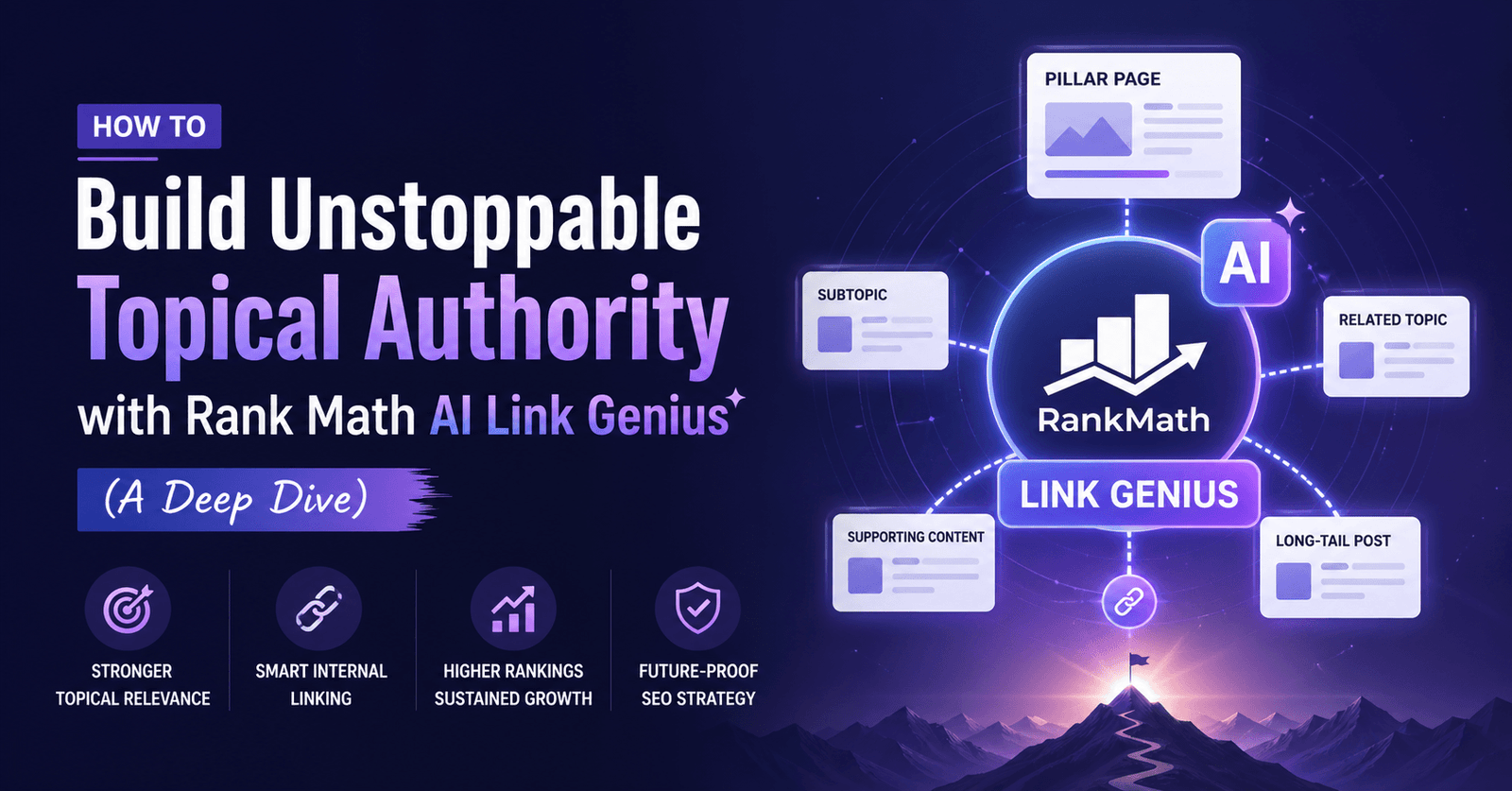
Leveraging AI to Boost Topical Authority
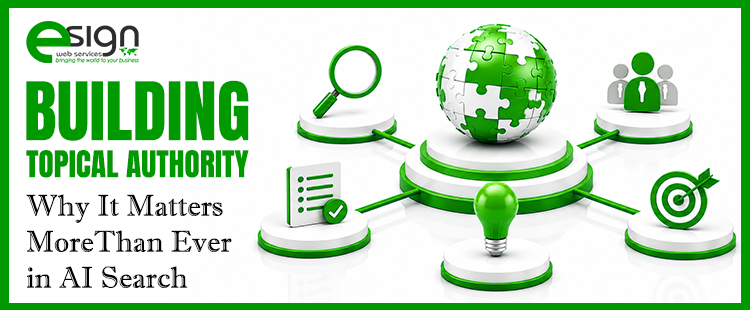
How to Build Massive Topical Authority With AI

The Role of AI in Search Algorithms